 Gartner predicts that by 2018, machines will replace writers, authoring 20% of the content you read. Daryl Plummer, a Gartner analyst said that “Robowriters” are already producing budget, sports and business reports, and this trend is happening without notice. One advantage for machines according to Plummer: “They don’t have biases or emotional responses.”
I’ll buy machine generated content for basic information, like the items mentioned above, and that may signal that it’s time for some writers, in particular those who create “formulaic” content (like press releases), to get their resumes together. But what I won’t buy is a world of content that exists purely on fact and data, void of any emotional connections. In fact, another trend is now happening that may signal a need for even more writers who can make personal connections with audiences.
“Design Thinking” to the Rescue
The good news is that companies, like IBM and GE are following Apple’s lead in embracing “Design Thinking.” This year alone, IBM is seeking to hire 1,100 designers to help reignite growth and change the corporate culture. What may be a “boom time” for designers may also have a waterfall effect on content creators, here’s why.
Companies are embracing design thinking as a response to the increased complexity of today’s products and/or business environment. As Apple has learned, people need their interactions with technologies and other systems (for example, Healthcare) to be simple, intuitive and perhaps, even enjoyable.
The first principle of design thinking for products is to empathize with users by focusing on their experiences, especially their emotional ones. To build empathy with users, a design-centric organization empowers employees to observe behavior and draw conclusions about people’s needs and wants.
As author Jon Kolko states in his Harvard Business Review article entitled Design Thinking Comes of Age, “organizations that “get” design use emotional language (words that concern desires, aspirations, engagement, and experience) to describe products and users.”
“Design thinking is an essential tool for simplifying and humanizing.”
As companies improve the product/user experience, organizations must improve how they communicate emotionally derived value propositions…and that is the opportunity for content marketers. “Robowriters” can’t understand the emotional triggers involved in the purchasing process — at least not yet. As CEO Tony Fadell said in an interview published in Inc., “At the end of the day you have to espouse a feeling—in your advertisements, in your products. And that feeling comes from your gut.”
With ever expanding distribution channels, the need for content has never been greater. As machines move in to fill the void, the world of content will divide into algorithm-assembled fact oriented content, and human generated “emotional” content.
The handwriting may on the wall for some writers but the upside of this trend may just usher in golden era of impactful relevant content marketing for many. For now, if you a create content take inventory of what you do on a daily basis, and make plans to move to the human side…or risk being replaced by a “Bot.”

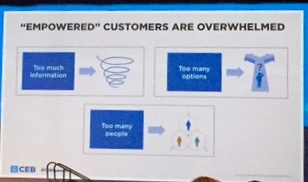 and the involvement of other decision makers in the process, according to
 The issue, according to CEB’s research underpinning their new book

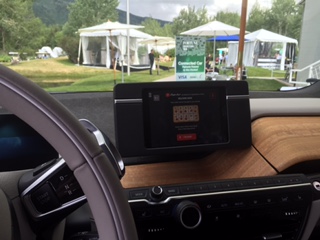
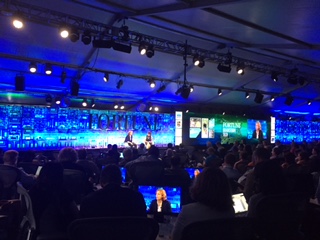 Overall, the event was one of the most insightful conferences I’ve ever attended. From the location (Aspen) to the speakers, the event had a certain energy unlike any other event. It could be because of the amount of start-ups and investor present, but I believe it came from the attendees themselves. I met interesting people from fascinating companies who had a shared goal of meeting people and gaining knowledge. If you have the opportunity, put this in your budget for next year and book this event. I highly recommend it
 John Grant, author of

 s culture. One speaker, Bill Rozier from Ciena, provided insight into how to do it effectively. Bill created a lead generation report in an easy to understand PowerPoint slide. As Bill said, “The sales team has to be able to get all the information they need in 30 seconds or less, or we’ve lost them.” Since Bill’s new report launched less than two months ago, lead reconciliation rates have gone from 13 percent to over 70 percent.
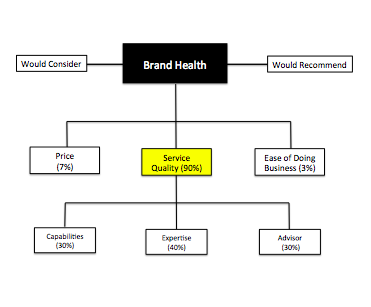 ardly varied between brands.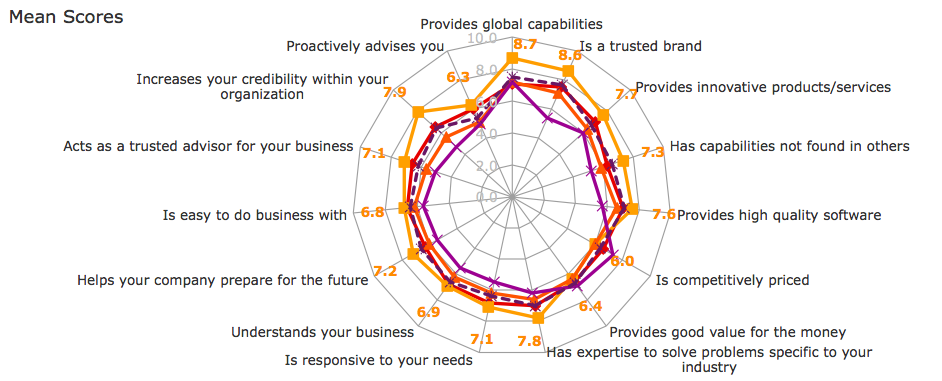
 On what was the first day of the Consumer Electronics Show (CES) and the day after the premier of The Bachelor, a bunch of outraged kids in Fairfax County became the top story of the day, trending no. 1 on Twitter nationwide, second worldwide, and received coverage by the Wall Street Journal,